ESTJ
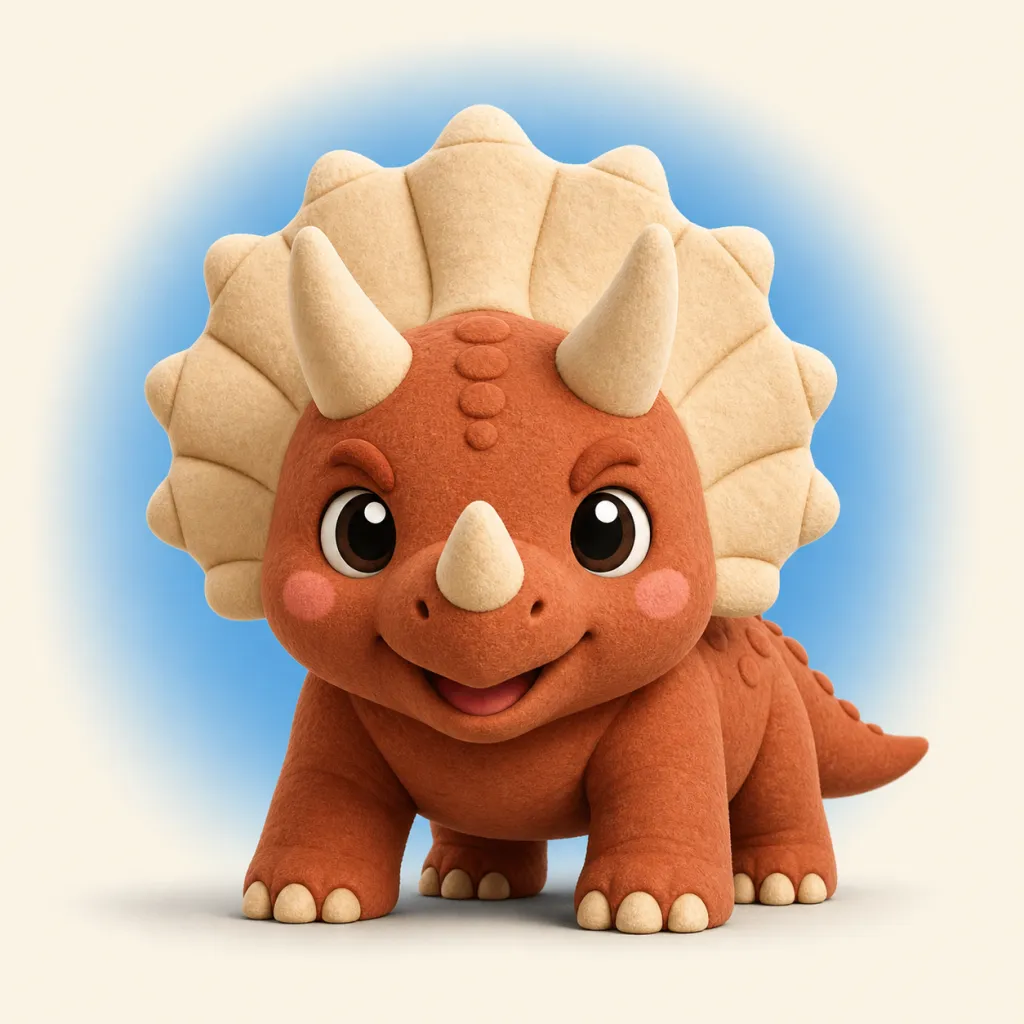
The Triceratops
Extraverted · Sensing · Thinking · Judging
What is The Triceratops?
Triceratops was a large plant-eating, horned dinosaur (a ceratopsian) of the Late Cretaceous in North America, around eight to nine meters long. It is known for the three horns on its face and the large bony frill around its neck.
Through the metaphor
A triceratops met a threat head-on, three horns forward and its great frill raised, holding the line so the herd could form up behind it. The ESTJ works the same way—settling on a clear structure and standing firmly behind it, bringing order and defined roles to whatever it takes charge of.
Its strength is decisive, structured defense. Where a scattered herd panics, the triceratops sets the formation and everything steadies around it. The ESTJ brings that same reliability—clear direction, clear ownership, and the whole group holding together when it counts.
But a defender that meets everything head-on can lower its horns before it has weighed a gentler answer. The triceratops, committed to the charge, may push past the quieter creature stepping in with an alternative. The ESTJ can hold the same way: so set on the proven structure that a softer voice offering another route gets overridden before it is heard.
Strengths & challenges in this light
Through this lens, the ESTJ’s strengths come down to the decisive execution that sets a clear structure and the reliability that steadies the herd. The challenges grow from the same root: commitment to the head-on stance is hard to redirect and can override quieter input. For the triceratops to lead the whole herd, it has to raise its head long enough to hear the alternative the charge overrides.
See ESTJ's personality profile (shared across themes)
See ESTJ in other themes
ESTJ
Extraverted · Sensing · Thinking · Judging
Animals
ESTJ
Extraverted · Sensing · Thinking · Judging
RPG Jobs
ESTJ
Extraverted · Sensing · Thinking · Judging
Mythical Creatures
ESTJ
Extraverted · Sensing · Thinking · Judging
Orchestra
ESTJ
Extraverted · Sensing · Thinking · Judging
Sweets
ESTJ
Extraverted · Sensing · Thinking · Judging
Gemstones
ESTJ
Extraverted · Sensing · Thinking · Judging
Deep Sea Creatures
ESTJ
Extraverted · Sensing · Thinking · Judging
Tech Stack
ESTJ
Extraverted · Sensing · Thinking · Judging
Philosophies
ESTJ
Extraverted · Sensing · Thinking · Judging
Yokai
ESTJ
Extraverted · Sensing · Thinking · Judging
Sports
ESTJ
Extraverted · Sensing · Thinking · Judging
Flowers
ESTJ
Extraverted · Sensing · Thinking · Judging
Tarot
ESTJ
Extraverted · Sensing · Thinking · Judging
Martial Arts
ESTJ
Extraverted · Sensing · Thinking · Judging
Celestial Bodies
ESTJ
Extraverted · Sensing · Thinking · Judging
Real-World Professions
ESTJ
Extraverted · Sensing · Thinking · Judging
Vehicles
ESTJ
Extraverted · Sensing · Thinking · Judging
Weather
ESTJ
Extraverted · Sensing · Thinking · Judging
Architecture
ESTJ
Extraverted · Sensing · Thinking · Judging
Cryptids