ESTJ
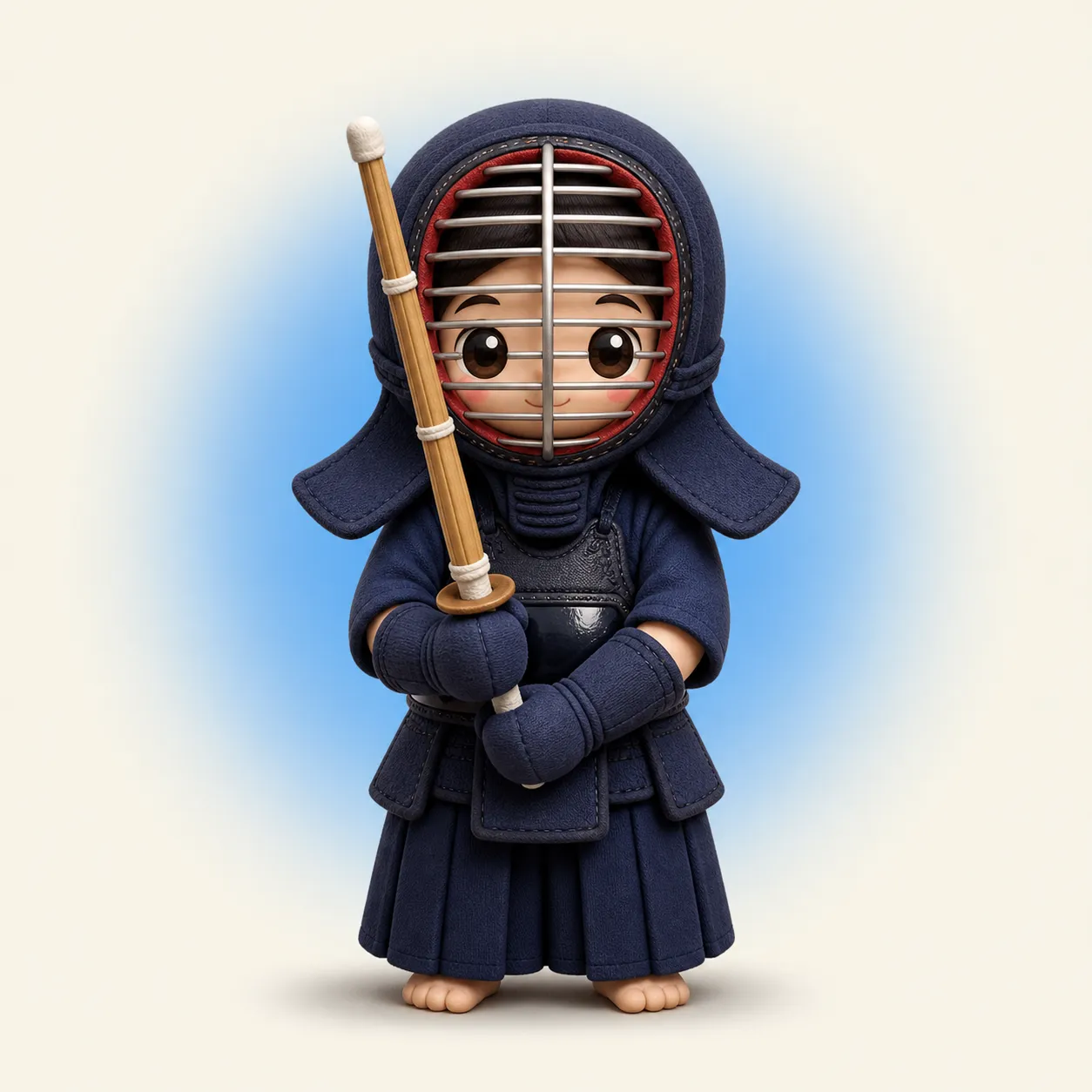
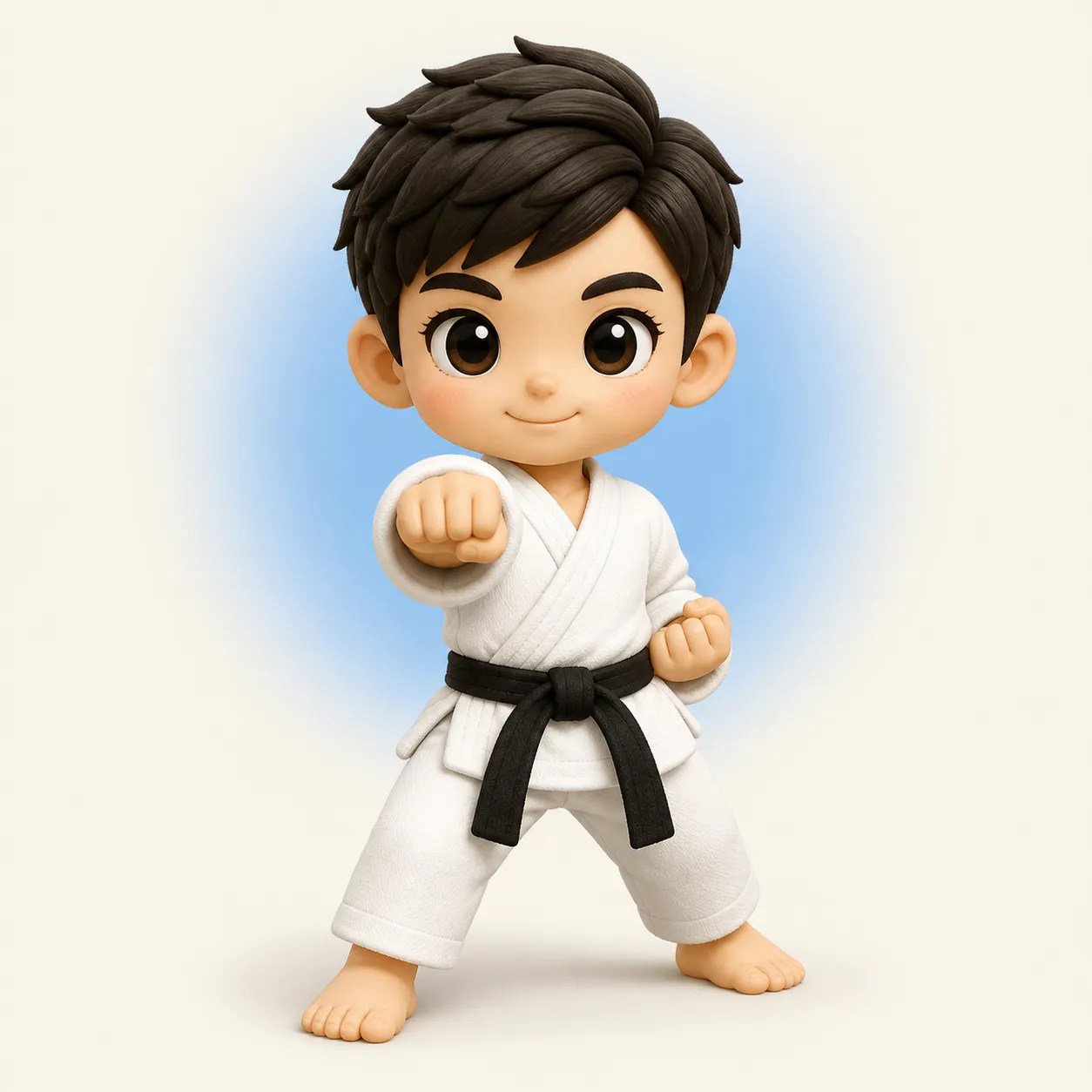
Karate
Extraverted · Sensing · Thinking · Judging
What is Karate?
Karate is a striking martial art that developed in the Ryukyu Islands (Okinawa) and spread to mainland Japan and the world, built on punches, kicks, blocks, and forms (kata).
Through the metaphor
Karate marks progress through set forms and ranks, correcting each punch, block, and stance one at a time while keeping the courtesy and order of the dojo. It prefers clear standards to vagueness. The ESTJ leads the same way: organizing people around clear standards and roles, and moving the work forward in an orderly line.
Its strength is the drive to keep order and move a group. Where others drift into vagueness, it sets a standard and holds the space to it. The ESTJ works this way too—responsible, making sure that what has been decided actually gets done.
But insisting on the correct form and order can turn away the ways and feelings that do not fit them. Holding everyone to the standard, the ESTJ may grow rigid toward each person’s circumstances. What keeps the dojo orderly can also make it hard to bend for the student who needs a different way to learn.
Strengths & challenges in this light
Through this lens, the ESTJ's strengths come down to the order that holds a space to its standard and the drive that gets decisions done. The challenges grow from the same root: insisting on the correct form so firmly that ways and feelings outside it are turned away, and growing rigid toward each person’s circumstances. For karate’s path to widen, it has to listen for the voice beyond the standard.
See ESTJ's personality profile (shared across themes)
See ESTJ in other themes
ESTJ
Extraverted · Sensing · Thinking · Judging
Animals
ESTJ
Extraverted · Sensing · Thinking · Judging
RPG Jobs
ESTJ
Extraverted · Sensing · Thinking · Judging
Mythical Creatures
ESTJ
Extraverted · Sensing · Thinking · Judging
Orchestra
ESTJ
Extraverted · Sensing · Thinking · Judging
Sweets
ESTJ
Extraverted · Sensing · Thinking · Judging
Gemstones
ESTJ
Extraverted · Sensing · Thinking · Judging
Deep Sea Creatures
ESTJ
Extraverted · Sensing · Thinking · Judging
Tech Stack
ESTJ
Extraverted · Sensing · Thinking · Judging
Philosophies
ESTJ
Extraverted · Sensing · Thinking · Judging
Yokai
ESTJ
Extraverted · Sensing · Thinking · Judging
Sports
ESTJ
Extraverted · Sensing · Thinking · Judging
Flowers
ESTJ
Extraverted · Sensing · Thinking · Judging
Dinosaurs
ESTJ
Extraverted · Sensing · Thinking · Judging
Tarot
ESTJ
Extraverted · Sensing · Thinking · Judging
Celestial Bodies
ESTJ
Extraverted · Sensing · Thinking · Judging
Real-World Professions
ESTJ
Extraverted · Sensing · Thinking · Judging
Vehicles
ESTJ
Extraverted · Sensing · Thinking · Judging
Weather
ESTJ
Extraverted · Sensing · Thinking · Judging
Architecture
ESTJ
Extraverted · Sensing · Thinking · Judging
Cryptids