
ISFJ
The Confucian
Introverted · Sensing · Feeling · Judging
What is The Confucian?
Confucianism is a Chinese ethical and philosophical tradition founded on the teachings of Confucius, emphasizing benevolence, propriety, and social harmony.
Through the metaphor
The Confucian sees a person not as a lone island but as a knot in a web of relationships—parent and child, friend and neighbor, the living and those who came before. Confucius taught that a good life is built from 仁, a deep benevolence toward others, expressed through 礼, the small courtesies that let people live together with dignity. The Confucian tends this web daily, often in ways no one notices.
Their strength is attentive, faithful care. They remember the birthday and the unspoken worry, uphold the customs that give a group its shape, and honor 孝—the reverence and duty owed to parents and ancestors. Reliable without fanfare, they keep the relationships of a household or a team warm and intact, so that others can stand on ground the Confucian has quietly kept level.
But placing duty to role and tradition above the self, the Confucian can fold away its own needs until they vanish. When harmony seems to ask for self-sacrifice, it gives, and gives again, slow to question an arrangement that no longer serves anyone well. The very loyalty that honors the bond can keep it from naming the moment the bond itself should change.
Strengths & challenges in this light
Through this lens, the ISFJ's strengths come down to devoted, attentive care and a steadfast loyalty to the bonds and customs that hold people together. The challenges grow from the same root: putting the role and the harmony first, it can suppress its own needs and keep an order that has stopped serving anyone. For the Confucian to keep its care whole, it needs to count its own voice as one of the relationships worth honoring.
See ISFJ's personality profile (shared across themes)
See ISFJ in other themes

ISFJ
Introverted · Sensing · Feeling · Judging
Animals
ISFJ
Introverted · Sensing · Feeling · Judging
RPG Jobs
ISFJ
Introverted · Sensing · Feeling · Judging
Mythical Creatures
ISFJ
Introverted · Sensing · Feeling · Judging
Orchestra
ISFJ
Introverted · Sensing · Feeling · Judging
Sweets
ISFJ
Introverted · Sensing · Feeling · Judging
Gemstones
ISFJ
Introverted · Sensing · Feeling · Judging
Deep Sea Creatures
ISFJ
Introverted · Sensing · Feeling · Judging
Tech Stack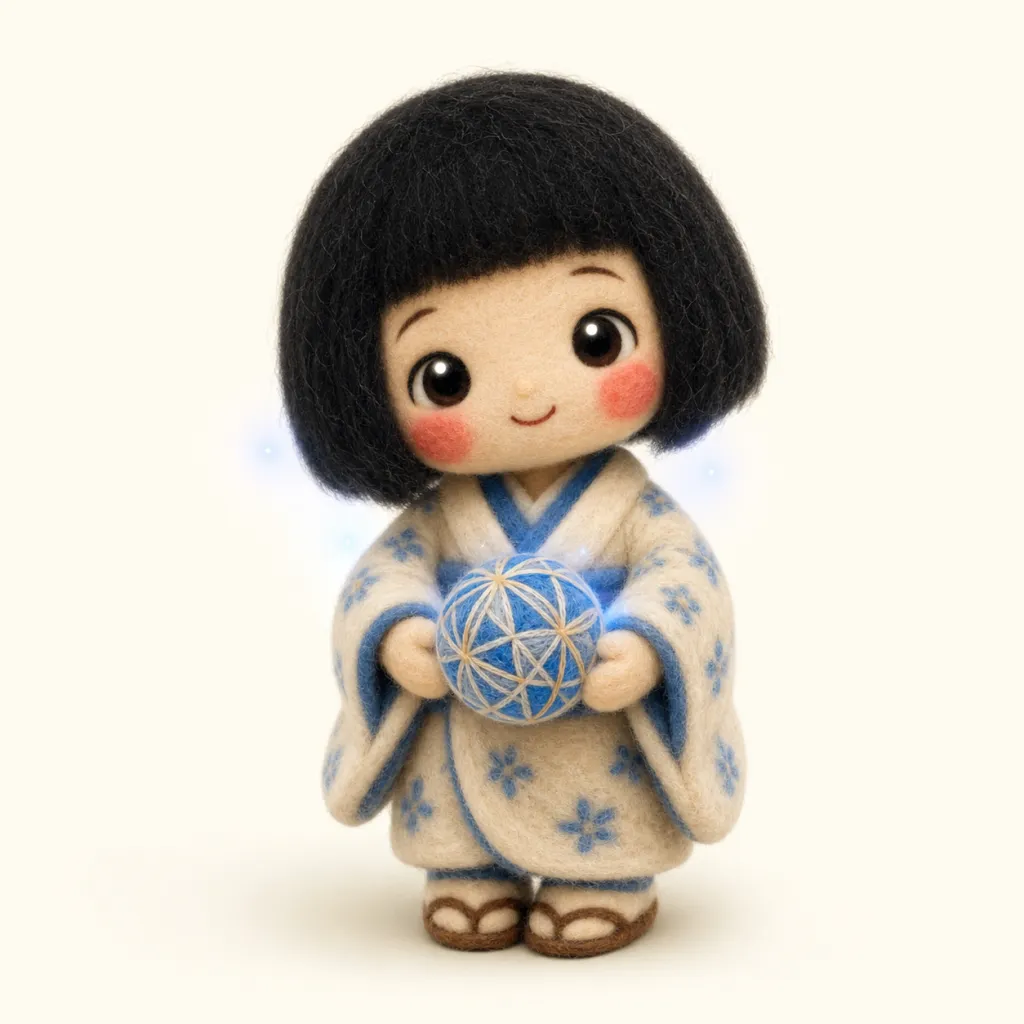
ISFJ
Introverted · Sensing · Feeling · Judging
Yokai
ISFJ
Introverted · Sensing · Feeling · Judging
Sports
ISFJ
Introverted · Sensing · Feeling · Judging
Flowers
ISFJ
Introverted · Sensing · Feeling · Judging
Dinosaurs
ISFJ
Introverted · Sensing · Feeling · Judging
Tarot
ISFJ
Introverted · Sensing · Feeling · Judging
Martial Arts
ISFJ
Introverted · Sensing · Feeling · Judging
Celestial Bodies
ISFJ
Introverted · Sensing · Feeling · Judging
Real-World Professions
ISFJ
Introverted · Sensing · Feeling · Judging
Vehicles
ISFJ
Introverted · Sensing · Feeling · Judging
Weather
ISFJ
Introverted · Sensing · Feeling · Judging
Architecture
ISFJ
Introverted · Sensing · Feeling · Judging
Cryptids