ISFJ
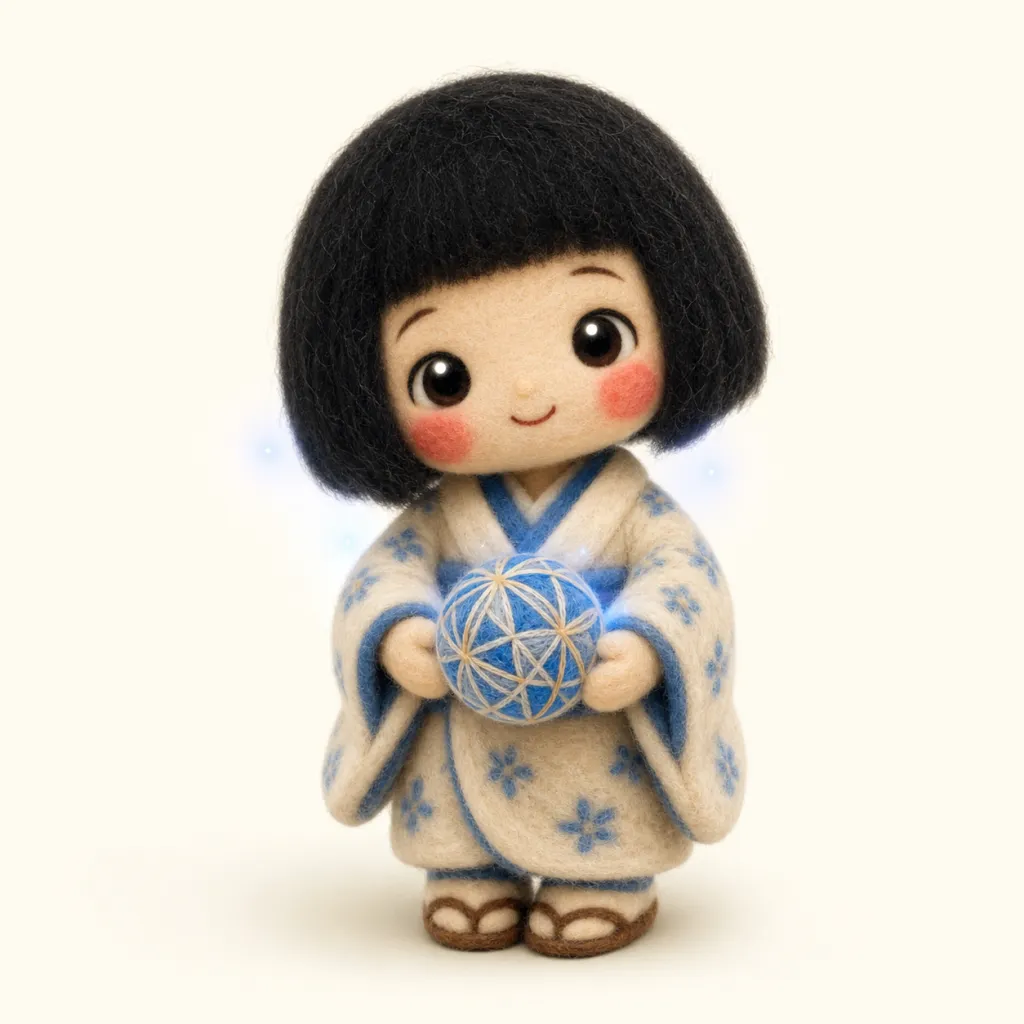
The Zashiki-warashi
Introverted · Sensing · Feeling · Judging
What is The Zashiki-warashi?
The zashiki-warashi is a child-like household spirit in Japanese folklore, especially of the Tohoku region. It is said to dwell in old houses and bring prosperity to the family it lives with, whose fortune is said to decline if it leaves.
Through the metaphor
A zashiki-warashi is a small child spirit said to dwell in an old house, glimpsed for a moment in the guest room and then gone. While it stays, the household prospers; its presence is a quiet blessing rather than a loud one. The ISFJ keeps a home the same way—tending the people and the place from the background, offering a steady warmth that is felt more than it is seen.
Its gift is protection that asks for no credit. The zashiki-warashi does not announce what it does; the family simply finds things going well. The ISFJ works the same way—loyal, attentive, remembering the small needs everyone else forgets, holding a group together with care that rarely names itself.
But a guardian that stays in the background can be taken for granted, and a presence so quiet can slip away unmissed. The legend warns that when a house stops valuing the zashiki-warashi, it leaves—and the fortune leaves with it. The ISFJ risks the same: giving so silently that its care goes unseen, then withdrawing, hurt and unspoken, rather than ever asking to be valued in return.
Strengths & challenges in this light
Through this lens, the ISFJ's strengths come down to the quiet protection that asks for no credit and the loyal attention that holds a group together. The challenges grow from the same root: giving so silently, its care goes unseen, and rather than ask to be valued it withdraws unmissed. For the zashiki-warashi to stay in the house, it has to let itself be seen once—to name what it gives and ask, before it leaves, to be cherished in return.
See ISFJ's personality profile (shared across themes)
See ISFJ in other themes

ISFJ
Introverted · Sensing · Feeling · Judging
Animals
ISFJ
Introverted · Sensing · Feeling · Judging
RPG Jobs
ISFJ
Introverted · Sensing · Feeling · Judging
Mythical Creatures
ISFJ
Introverted · Sensing · Feeling · Judging
Orchestra
ISFJ
Introverted · Sensing · Feeling · Judging
Sweets
ISFJ
Introverted · Sensing · Feeling · Judging
Gemstones
ISFJ
Introverted · Sensing · Feeling · Judging
Deep Sea Creatures
ISFJ
Introverted · Sensing · Feeling · Judging
Tech Stack
ISFJ
Introverted · Sensing · Feeling · Judging
Philosophies
ISFJ
Introverted · Sensing · Feeling · Judging
Sports
ISFJ
Introverted · Sensing · Feeling · Judging
Flowers
ISFJ
Introverted · Sensing · Feeling · Judging
Dinosaurs
ISFJ
Introverted · Sensing · Feeling · Judging
Tarot
ISFJ
Introverted · Sensing · Feeling · Judging
Martial Arts
ISFJ
Introverted · Sensing · Feeling · Judging
Celestial Bodies
ISFJ
Introverted · Sensing · Feeling · Judging
Real-World Professions
ISFJ
Introverted · Sensing · Feeling · Judging
Vehicles
ISFJ
Introverted · Sensing · Feeling · Judging
Weather
ISFJ
Introverted · Sensing · Feeling · Judging
Architecture
ISFJ
Introverted · Sensing · Feeling · Judging
Cryptids