ISTJ
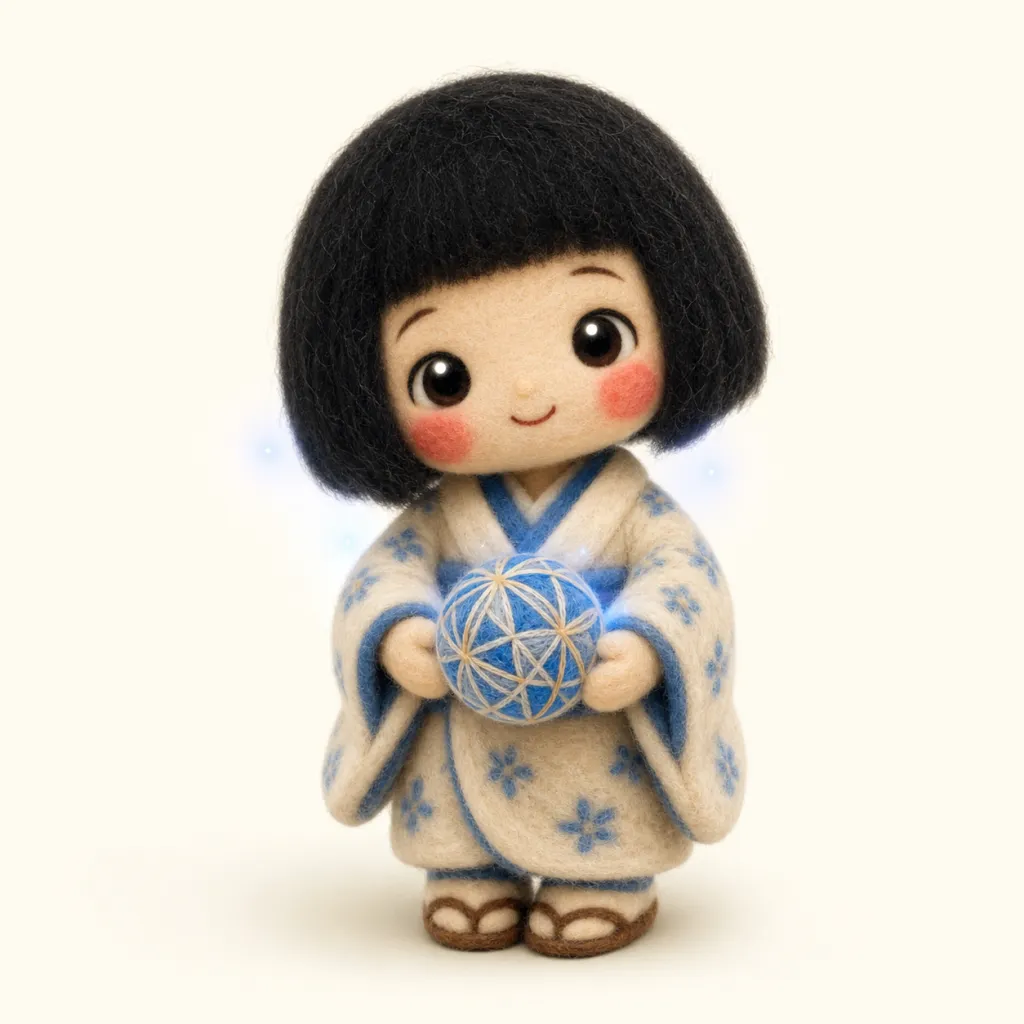
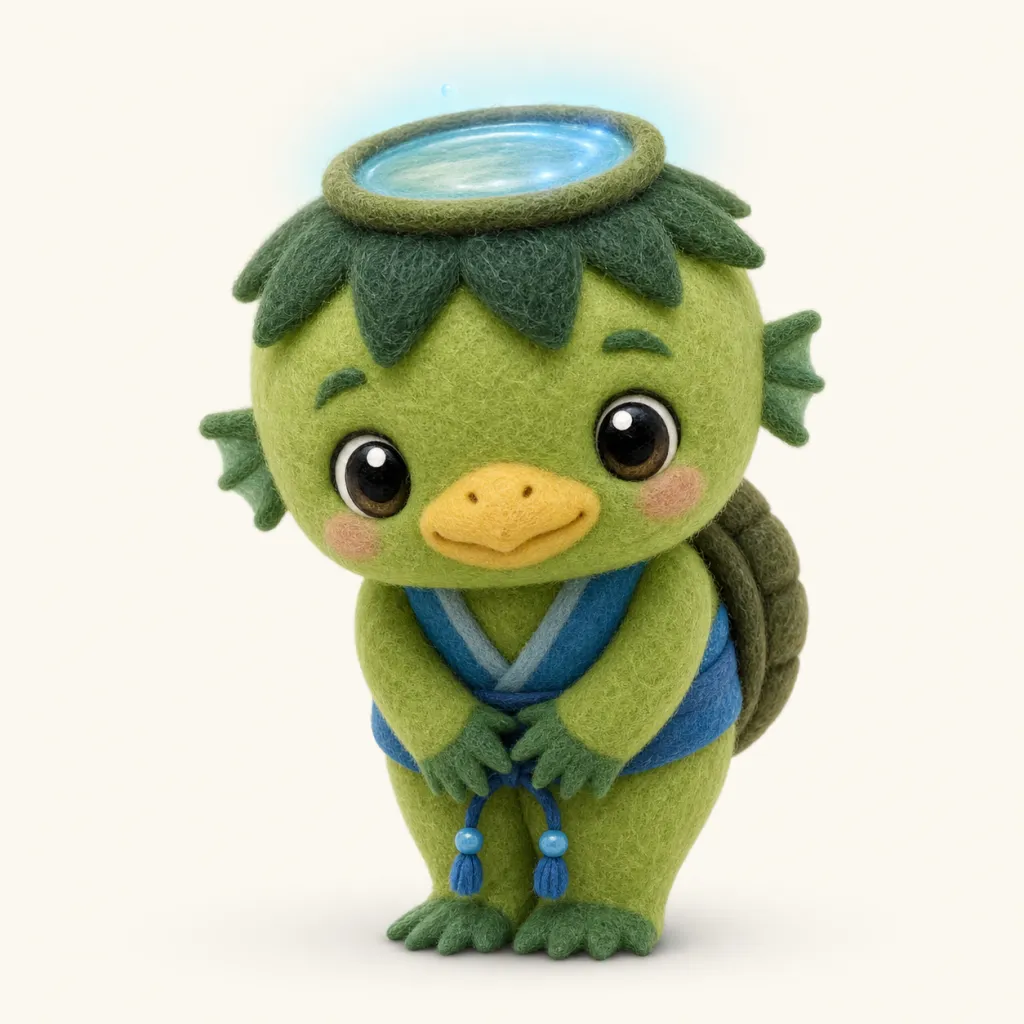
The Tsukumogami
Introverted · Sensing · Thinking · Judging
What is The Tsukumogami?
In Japanese folklore, tsukumogami are household tools and objects that, after reaching a great age—often said to be a hundred years—gain a spirit and come to life as yokai.
Through the metaphor
When a tool has served well for a hundred years—a paper umbrella, an old mirror, a worn koto—it is said to gain a spirit and become a tsukumogami. Its character is made of that long service: it remembers every careful hand that used it, every repair, every season it endured. The ISTJ is built the same way—trusting what has been tested by time, valuing the steady, proven method over the untried novelty.
Its gift is reliability that holds a household together. The tsukumogami knows its purpose exactly and performs it without fail; what it promises, it does, year after year. The ISTJ works the same way—dutiful, orderly, the one who remembers the rules and keeps them, the quiet structure others lean on without noticing it is there.
But a spirit made of long service can hold too hard to the way things were. The tsukumogami most likely to turn vengeful is the one neglected or discarded—loyalty curdling into resentment when its way is set aside. The ISTJ can harden the same way: so sure the proven method is the right one that it resists a needed change, and takes the discarding of an old practice as a slight.
Strengths & challenges in this light
Through this lens, the ISTJ's strengths come down to the reliability that performs its duty without fail and the respect for what time has proven. The challenges grow from the same root: made of long service, it holds too hard to the old way and reads a needed change as a slight. For the tsukumogami to keep its place in the house, it has to let one proven thing be replaced—to tell loyalty apart from refusing to change.
See ISTJ's personality profile (shared across themes)
See ISTJ in other themes

ISTJ
Introverted · Sensing · Thinking · Judging
Animals
ISTJ
Introverted · Sensing · Thinking · Judging
RPG Jobs
ISTJ
Introverted · Sensing · Thinking · Judging
Mythical Creatures
ISTJ
Introverted · Sensing · Thinking · Judging
Orchestra
ISTJ
Introverted · Sensing · Thinking · Judging
Sweets
ISTJ
Introverted · Sensing · Thinking · Judging
Gemstones
ISTJ
Introverted · Sensing · Thinking · Judging
Deep Sea Creatures
ISTJ
Introverted · Sensing · Thinking · Judging
Tech Stack
ISTJ
Introverted · Sensing · Thinking · Judging
Philosophies
ISTJ
Introverted · Sensing · Thinking · Judging
Sports
ISTJ
Introverted · Sensing · Thinking · Judging
Flowers
ISTJ
Introverted · Sensing · Thinking · Judging
Dinosaurs
ISTJ
Introverted · Sensing · Thinking · Judging
Tarot
ISTJ
Introverted · Sensing · Thinking · Judging
Martial Arts
ISTJ
Introverted · Sensing · Thinking · Judging
Celestial Bodies
ISTJ
Introverted · Sensing · Thinking · Judging
Real-World Professions
ISTJ
Introverted · Sensing · Thinking · Judging
Vehicles
ISTJ
Introverted · Sensing · Thinking · Judging
Weather
ISTJ
Introverted · Sensing · Thinking · Judging
Architecture
ISTJ
Introverted · Sensing · Thinking · Judging
Cryptids