ISTJ
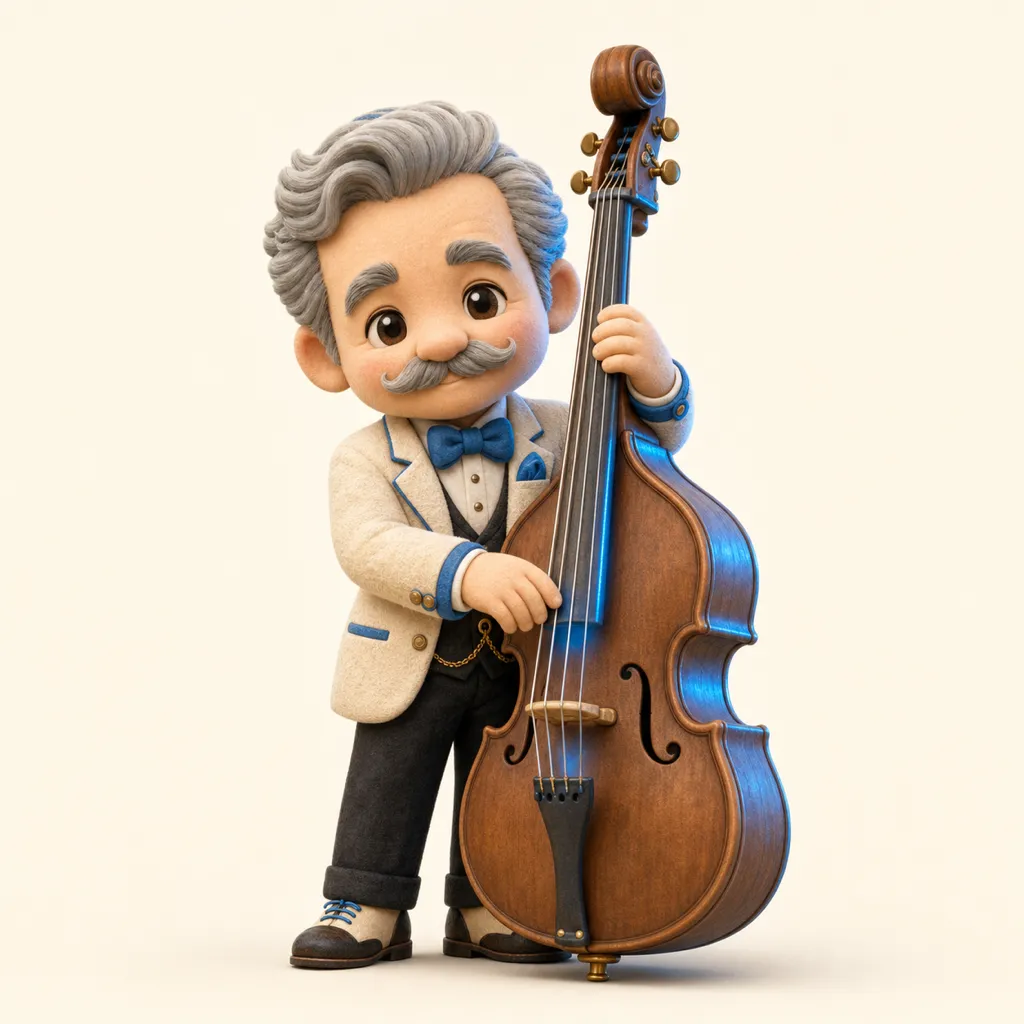
Double Bass
Introverted · Sensing · Thinking · Judging
What is Double Bass?
The largest and lowest-pitched of the bowed string instruments, usually played standing or on a tall stool. It lays down the bass foundation of the orchestra beneath the cellos.
Through the metaphor
A double bass holds time and pitch at the lowest place in the ensemble; it carries no showy melody, keeping a steady tread that never breaks. The ISTJ plays the same way—measured, methodical, holding the beat it started, because if the foundation wavers the whole ensemble falls apart.
The firm base the double bass keeps gives the whole orchestra its stability; because the low end stays steady, every other part can sing in confidence. The ISTJ is the dependable one whose quiet, consistent work everyone relies on without noticing.
But a double bass trusts the way of playing that has always held, and when the music asks for something new, it keeps to the familiar line. The same diligence that supports the foundation so well can resist reworking a technique that no longer fits the piece.
Strengths & challenges in this light
Through this lens, the ISTJ's strengths come down to dependable follow-through and the discipline that keeps the sound consistent. The challenges grow from the same root: trust in the proven technique makes them slow to change when the music shifts. For the double bass to keep the music alive, it sometimes needs to rethink its line and rework what no longer fits.
See ISTJ's personality profile (shared across themes)
See ISTJ in other themes

ISTJ
Introverted · Sensing · Thinking · Judging
Animals
ISTJ
Introverted · Sensing · Thinking · Judging
RPG Jobs
ISTJ
Introverted · Sensing · Thinking · Judging
Mythical Creatures
ISTJ
Introverted · Sensing · Thinking · Judging
Sweets
ISTJ
Introverted · Sensing · Thinking · Judging
Gemstones
ISTJ
Introverted · Sensing · Thinking · Judging
Deep Sea Creatures
ISTJ
Introverted · Sensing · Thinking · Judging
Tech Stack
ISTJ
Introverted · Sensing · Thinking · Judging
Philosophies
ISTJ
Introverted · Sensing · Thinking · Judging
Yokai
ISTJ
Introverted · Sensing · Thinking · Judging
Sports
ISTJ
Introverted · Sensing · Thinking · Judging
Flowers
ISTJ
Introverted · Sensing · Thinking · Judging
Dinosaurs
ISTJ
Introverted · Sensing · Thinking · Judging
Tarot
ISTJ
Introverted · Sensing · Thinking · Judging
Martial Arts
ISTJ
Introverted · Sensing · Thinking · Judging
Celestial Bodies
ISTJ
Introverted · Sensing · Thinking · Judging
Real-World Professions
ISTJ
Introverted · Sensing · Thinking · Judging
Vehicles
ISTJ
Introverted · Sensing · Thinking · Judging
Weather
ISTJ
Introverted · Sensing · Thinking · Judging
Architecture
ISTJ
Introverted · Sensing · Thinking · Judging
Cryptids